Search our Clan Grant Music Project below

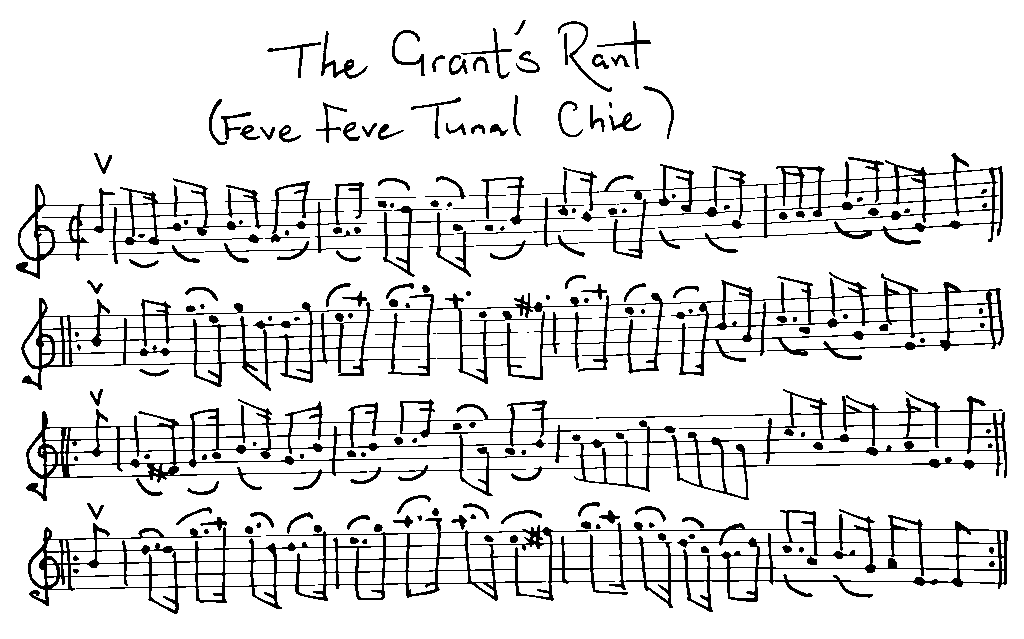
THE GRANT’S RANT
A “rant” is generally a term for a lively Strathspey or Reel. This melody was the tune which Robert Burns used for his song “Green Grow the Rashes O”.
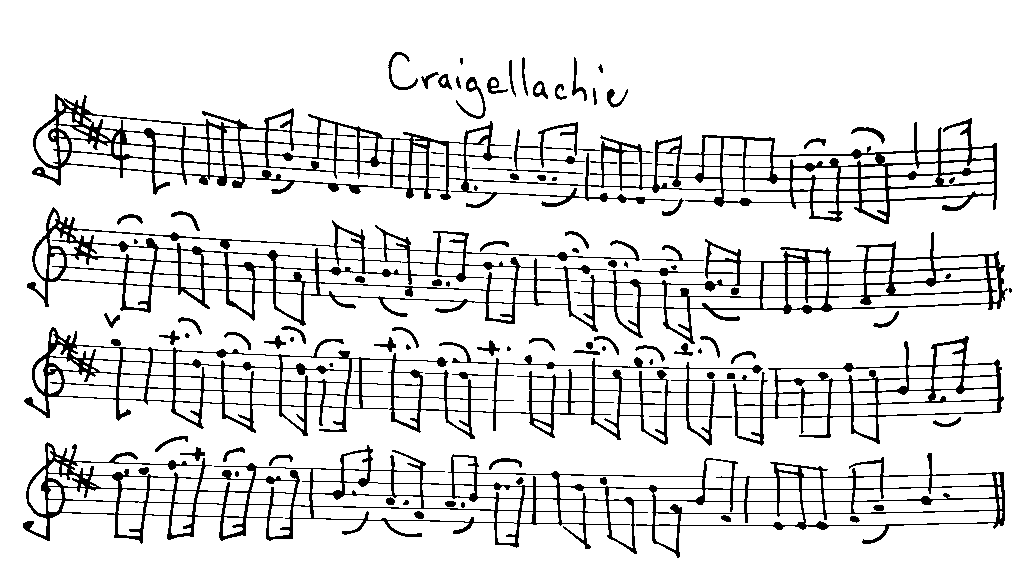
CRAIGELLACHIE (STRATHSPEY)
Not to be confused with the excellent Pibroch of the same name, this fine strathspey is found in Angus Cumming’s 1780 collection. Although it’s impossible to confirm at the moment, this piece may very well have been composed by a member of the Cumming musical dynasty.
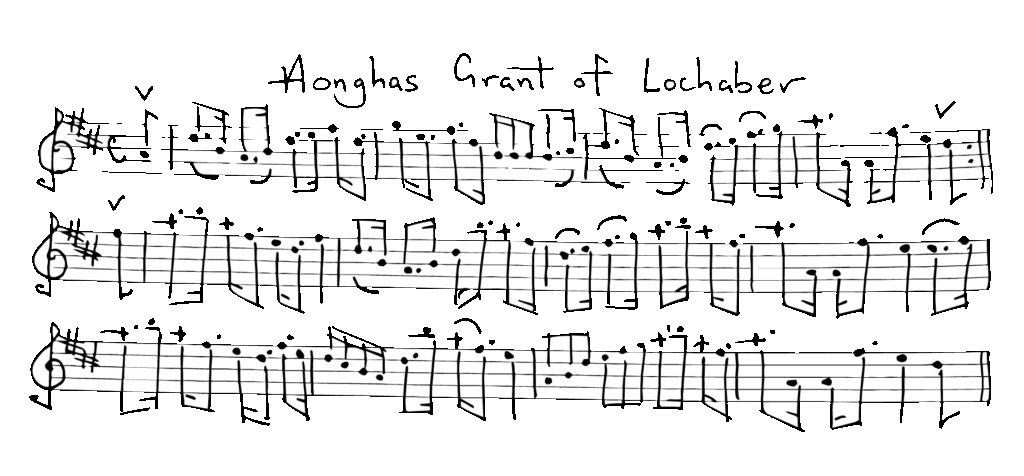
AONGHAS GRANT OF LOCHABER
Aonghas Grant who lives in Fort William hails originally from Glen Moriston. A Gaelic speaker whose fiddle career spans over six decades, began playing at the age of 13.
He is one of the most significant Highland fiddle players of the 20th Century and is known as the “Left handed Fiddler of Lochaber”.
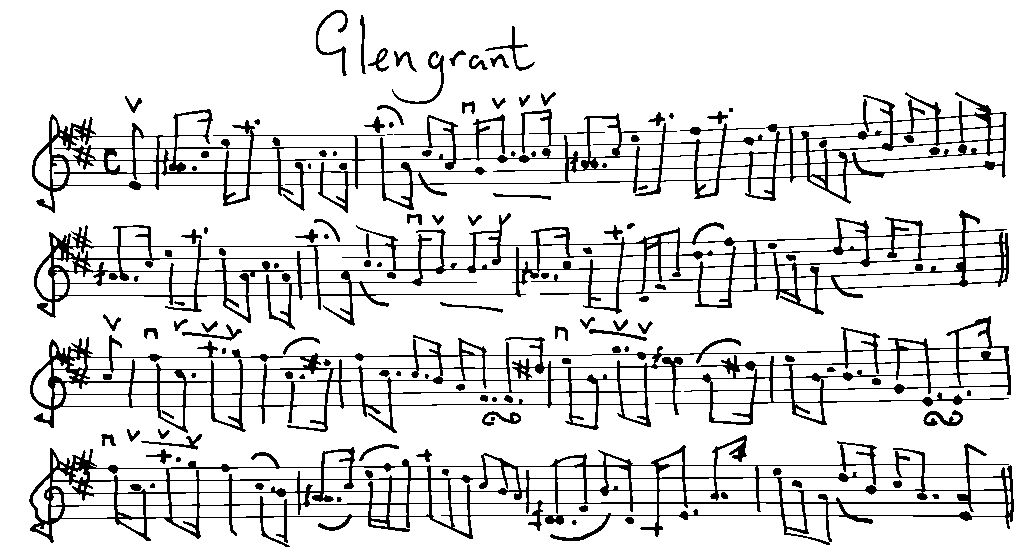
GLENGRANT
Dedicated to James Grant of Glengrant, this fine Strathspey was composed by James Scott Skinner “The Strathspey King.”
Skinner was known as the finest traditional musician and composer of Scottish traditional music of his generation.
He lived for three years in Aberlour and had regular dancing classes in Strathspey.
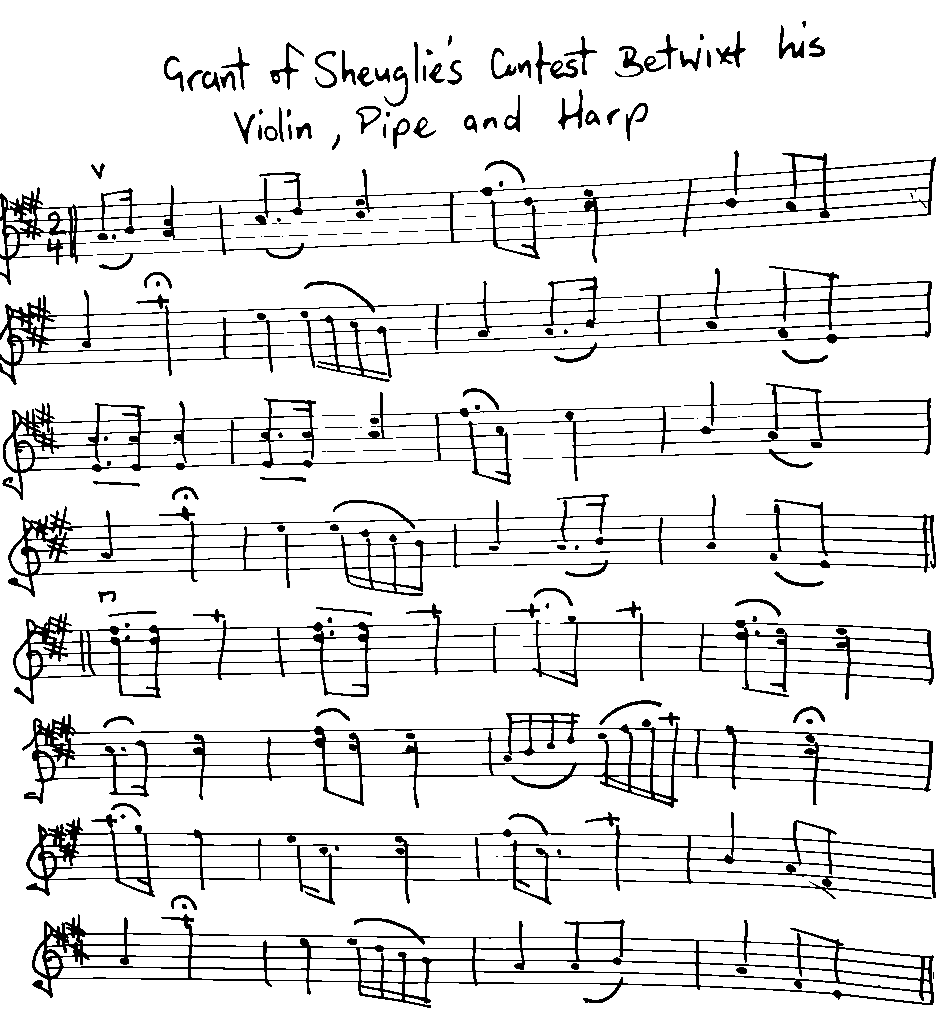
GRANT OF SHEUGLIE’S CONTEST BETWIXT HIS VIOLIN, PIPE AND HARP
Grant of Sheuglie in Glen Urquhart was the composer of the verses which accompany this ancient melody. He himself was a performer on violin, pipe and harp.
AN CARN GORM (CAIRNGORM)
At 4,085 feet, Cairngorm mountain which gives its name to the whole mountain range, is the sixth highest mountain in the British Isles. An ancient melody which in the late 1700’s was known to be the tune which the renowned hunter and angler John Macpherson sang “The Pursuit of the Deer”.
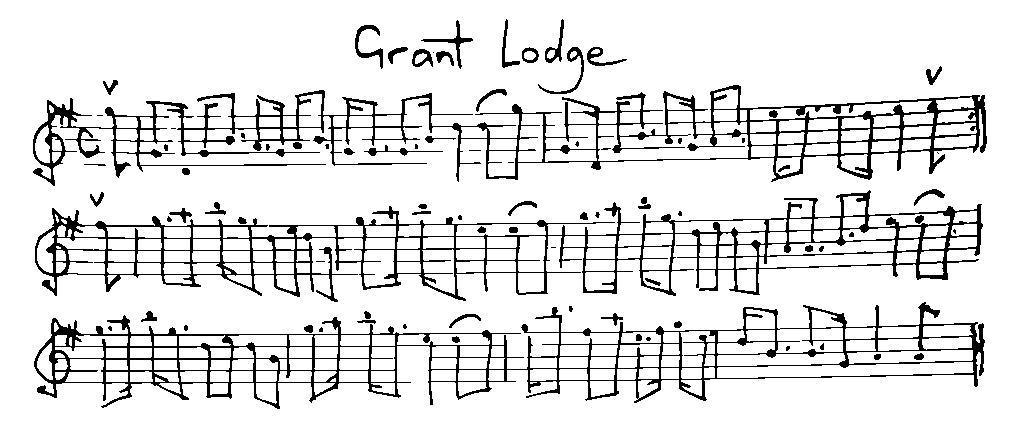
GRANT LODGE
Grant Lodge is a category B listed Mansion House in the centre of Elgin, Moray’s largest town.
THE BANKS OF THE SPEY
The River Spey is the third longest and fastest flowing in Scotland. Flowing through Clan Grant’s traditional territory it is central to the Clan’s story.
EASTER ELCHIES
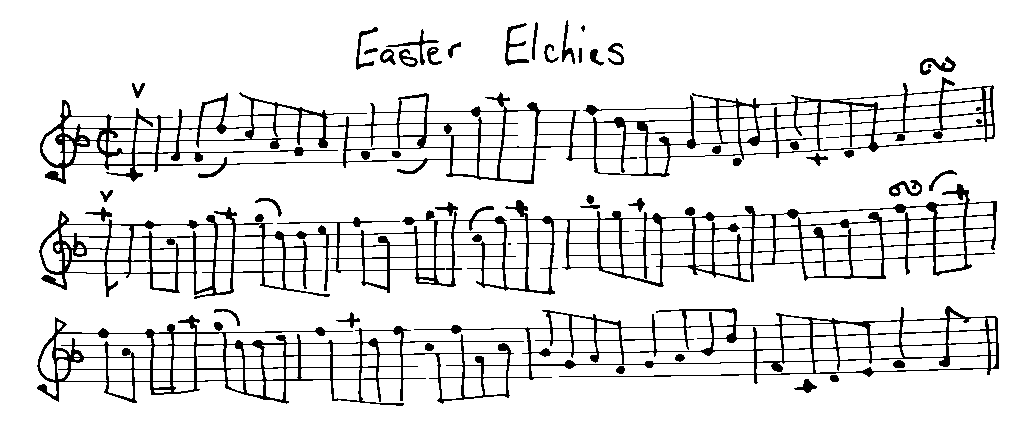
Easter Elchies House was built in 1700 which overlooks the River Spey near Craigellachie. It was built for Captain John Grant but later sold to the Earl of Findlater.
It’s best known now as the historic heart of the Macallan Distillery which was founded in 1824.
MISS GRANT OF ELCHIES
CRAIGELLACHIE BRIG
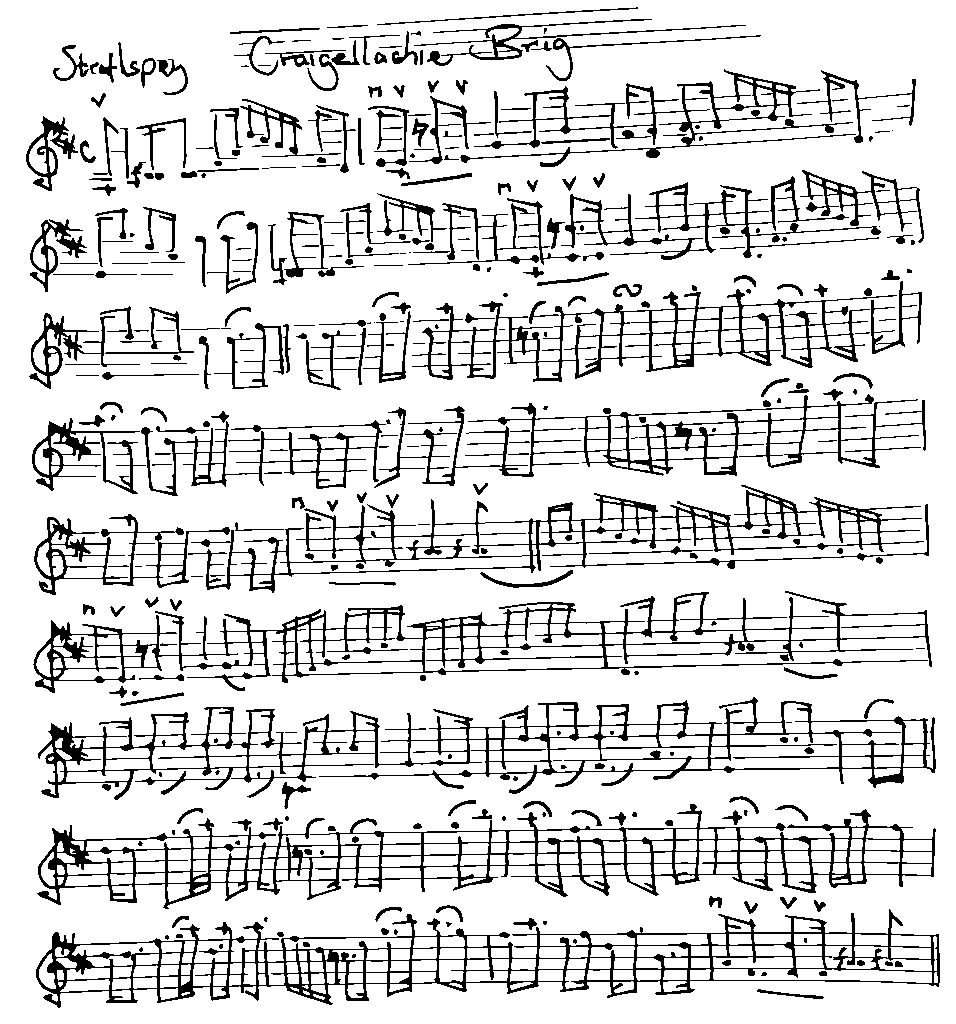
Marshall composed this superb strathspey to celebrate the opening of the bridge in 1814. Built by Thomas Telford it’s a category A, cast iron bridge and is the oldest of its type in Scotland.
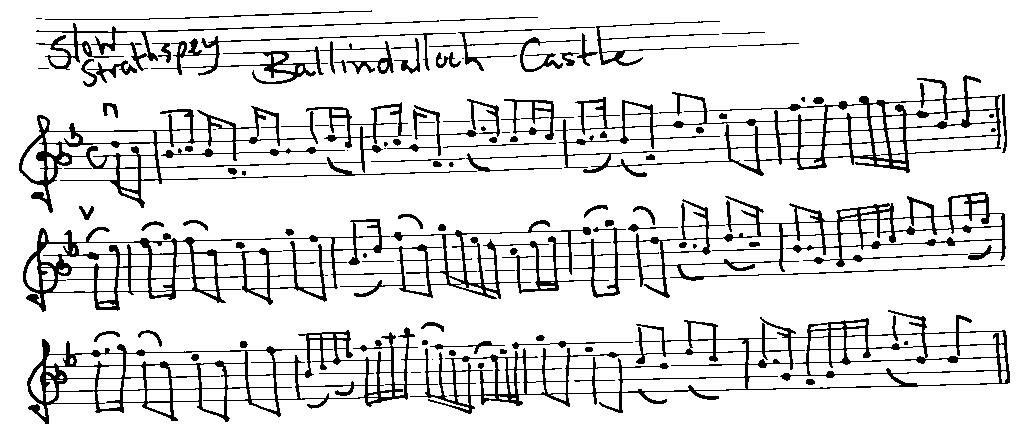
BALLINDALLOCH CASTLE – SLOW STRATHSPEY
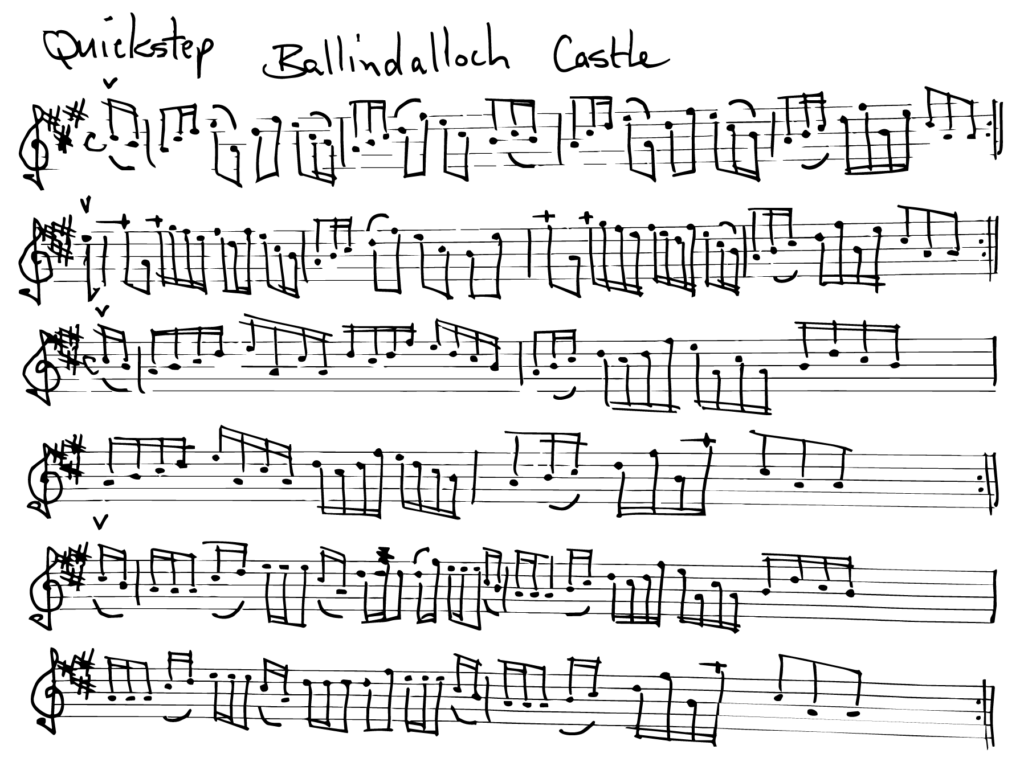
Ballindalloch Castle sits on the bank of the River Avon a short distance from it’s junction with the River Spey.
The lands of Ballindalloch and Glencairnie were granted to John Grant of Freuchie by King James IV in 1498. John’s grandson, also named John Grant began building the castle in 1542.
BALLINDALLOCH CASTLE – QUICK STEP
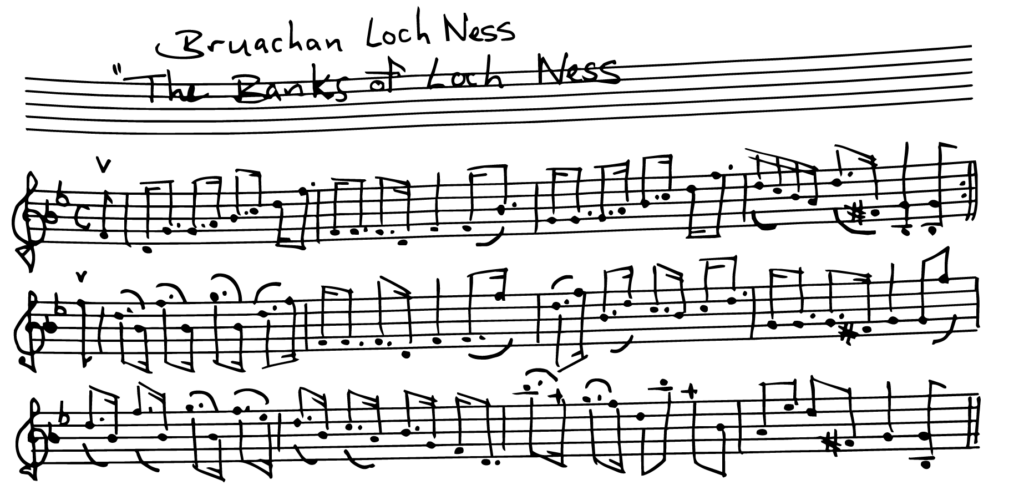
THE BANKS OF LOCH NESS
The Grant’s of Glenmoriston and Loch Ness held land around the River Moriston and the North-Western shores of Loch Ness.
Unlike the main Clan Grant branch who supported the Government during the 1745 Jacobite Rebellion, the Glenmoriston Grants were staunch Jacobites, notably fighting at Prestonpans and Culloden.
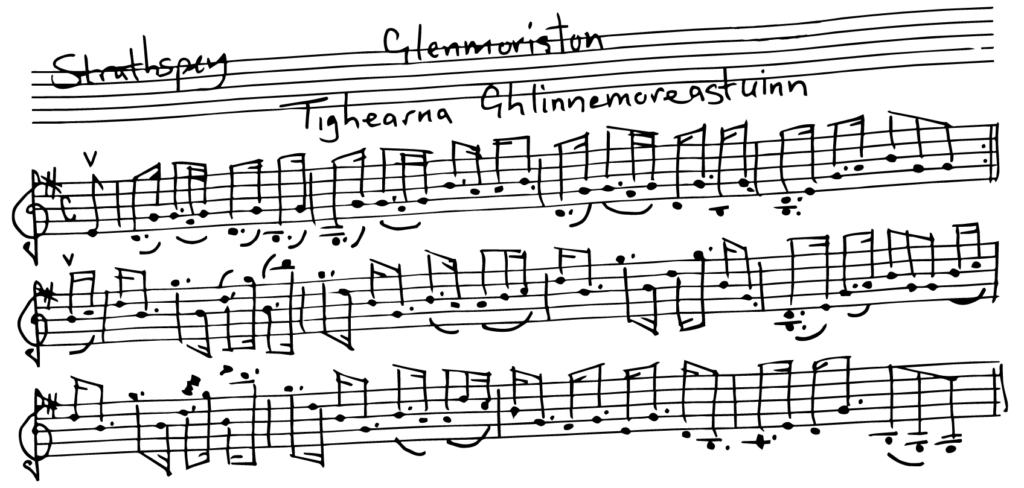
GLENMORISTON
To the Grant’s of Glenmoriston to whom this fine Strathspey is attached, Captain Simon Fraser attached this note in his excellent Collection – “Airs and Melodies Peculiar to the Highlands of Scotland and the Isles.”
“The ancient family to which this air is complimentary, has been long remarkable for a race of proprietors, and most hospitable in the extreme to friends and strangers. The tenantry, from the above circumstance, have the appearance of a superior order of Highlanders, much given to pastime and song.”
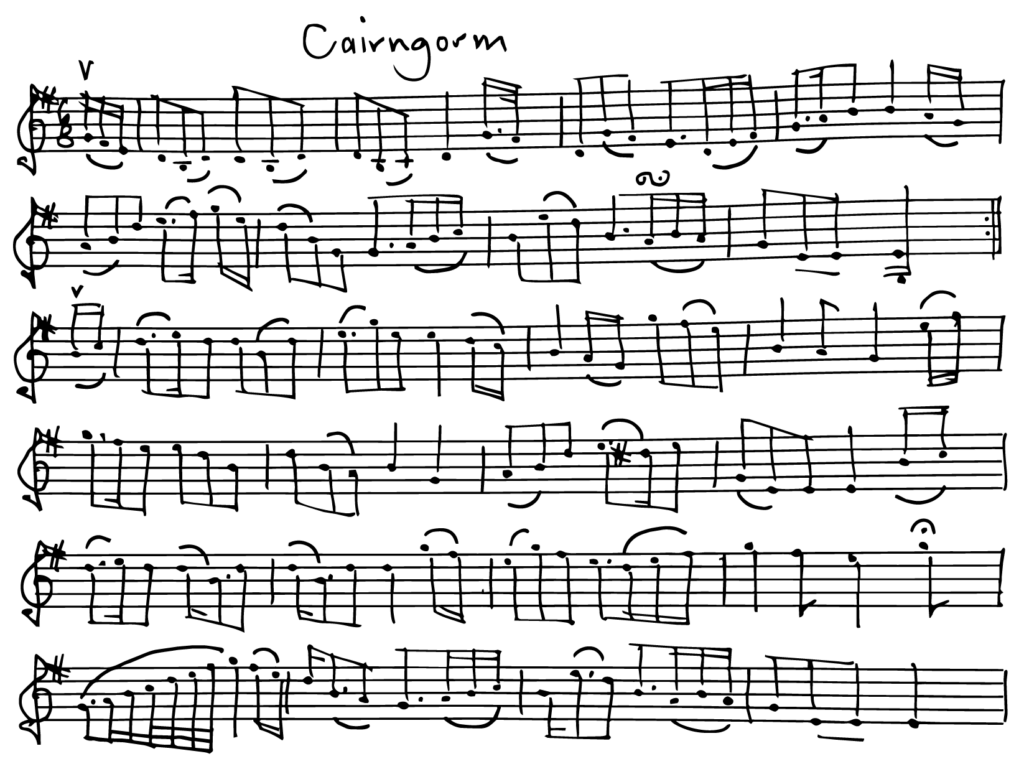
CAIRNGORM
At 1244m and standing at the highest point on the northern edge of the central Cairngorms massif, Cairngorm is very prominent from Strathspey. Partly found within traditional Clan Grant territory it’s also strongly associated with Clan MacPherson, Clan Farquharson and the wider Clan Chattan Confederation.
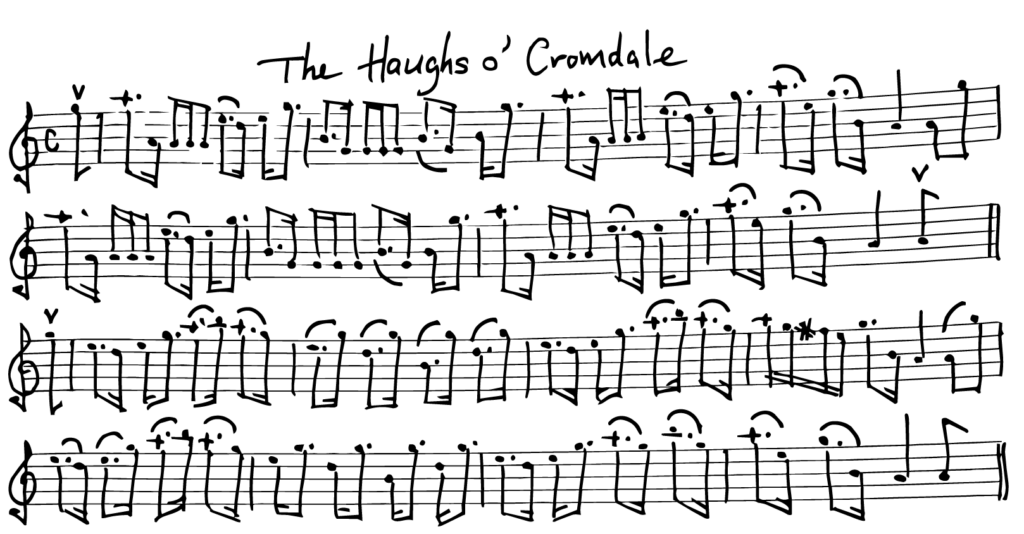
THE HAUGHS O’ CROMDALE
A well known Jacobite song based on the old Strathspey tune. The village of Cromdale sits by the Cromdale Burn about 500 metres from the confluence of the Burn with the River Spey, mid-way between Grantown on Spey and Aberlour.
The Battle which took place on the “Haughs” above the village took place on the 3rd of April and 1st of May 1690.
Clan Grant supported the Government Army of King William against the Jacobite rebels and as many as 600 Grant Clansmen may have taken part in the Battle, many of them acting as local guides for the Williamite Army.
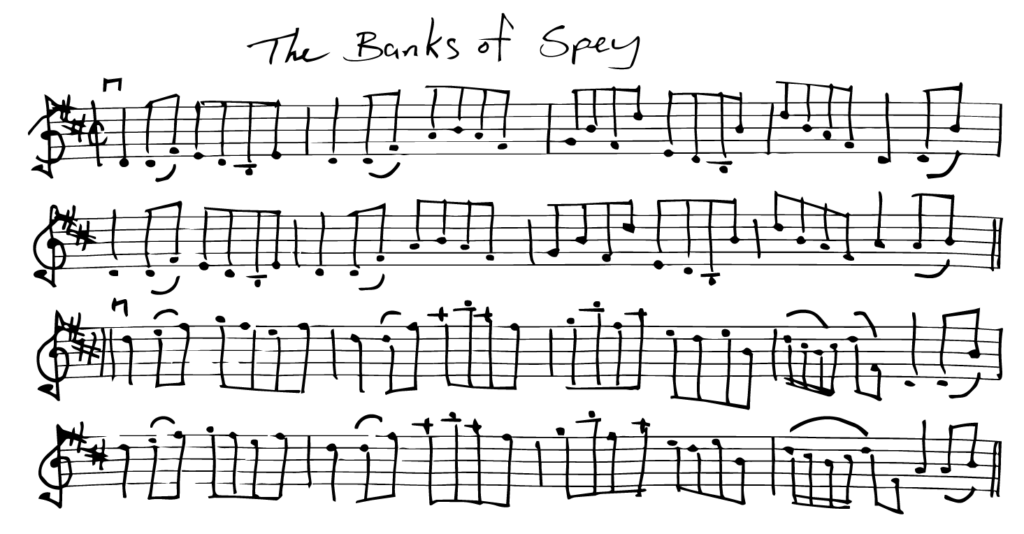
THE BANKS OF SPEY
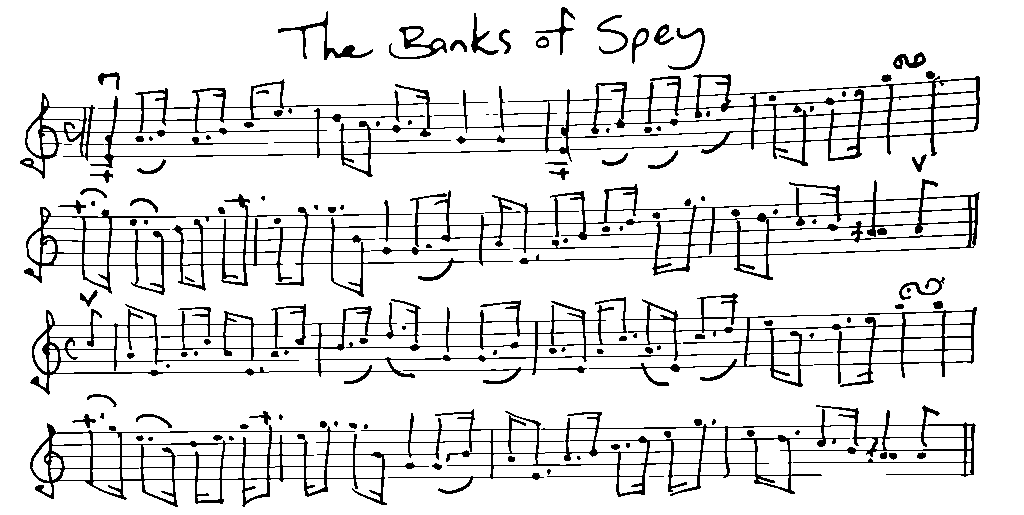
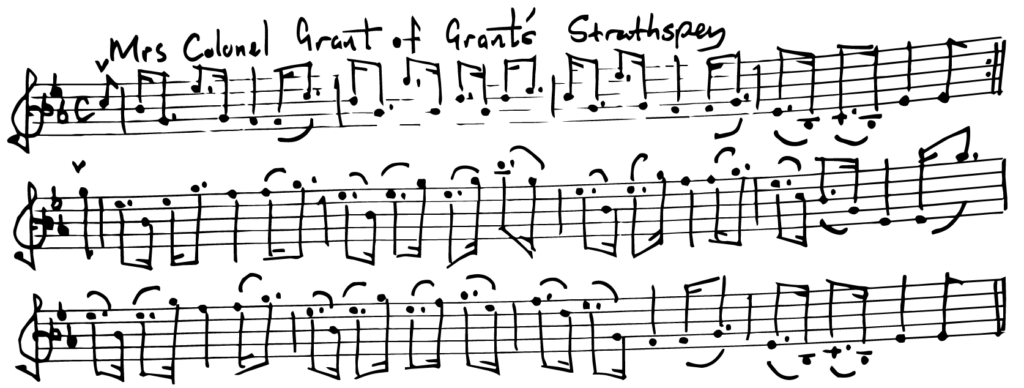
This grand old tune was taken from Donald Grant’s Collection which was published in 1790. Grant was born in Elgin in 1760 and as well as being a fine fiddler and composer he was also a dancing master. His collection which contains many of his own compositions was dedicated to Mrs Colonel Grant of Grant.
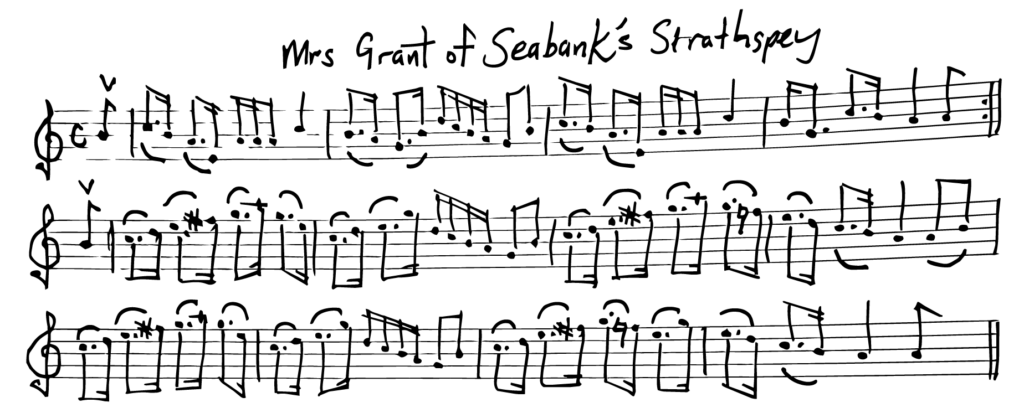
MRS GRANT OF SEABANK’S STRATHSPEY
Not much information on this piece but it looks like it may be Seabank House which overlooks the Moray Firth at Nairn.
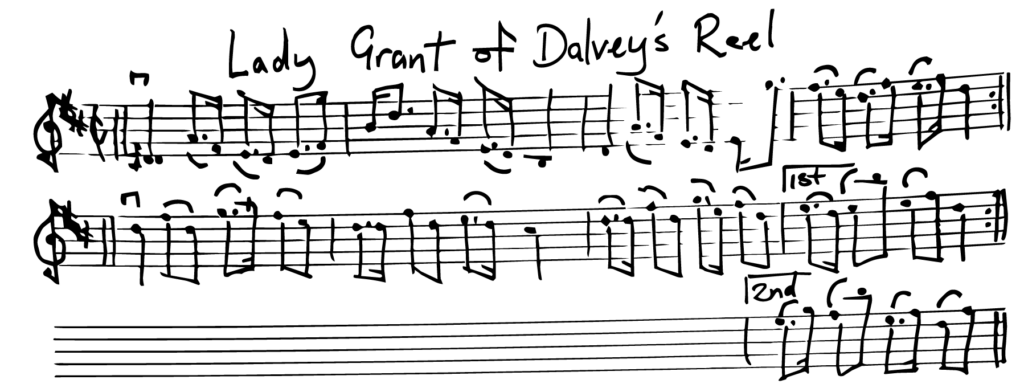
LADY GRANT OF DALVEY’S REEL
Taken from the Angus Cumming Collection which was published in 1780 this may well be a Cumming composition. Unfortunately, Angus never put his name to any of the tunes in his collection though it’s highly likely that tunes in the collection are his own.
Dalvey is on the East bank of the River Spey near Ballindalloch.
MRS COLONEL GRANT OF GRANT’S STRATHSPEY
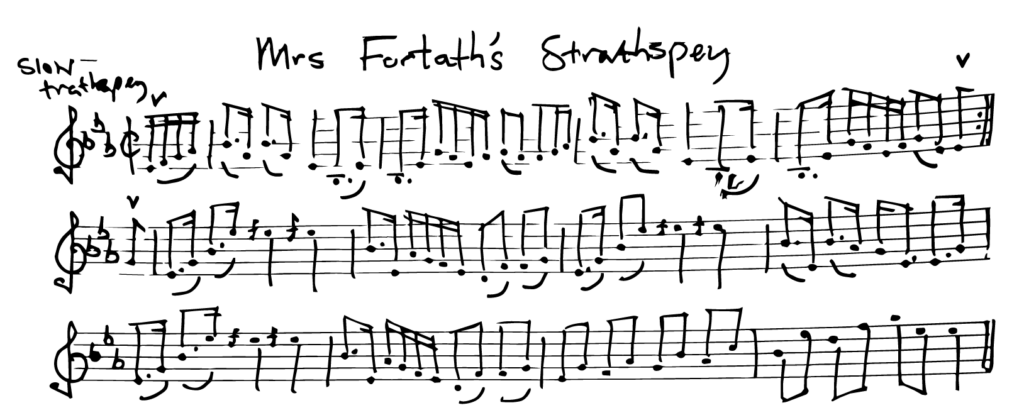
MRS FORATH’S STRATHSPEY
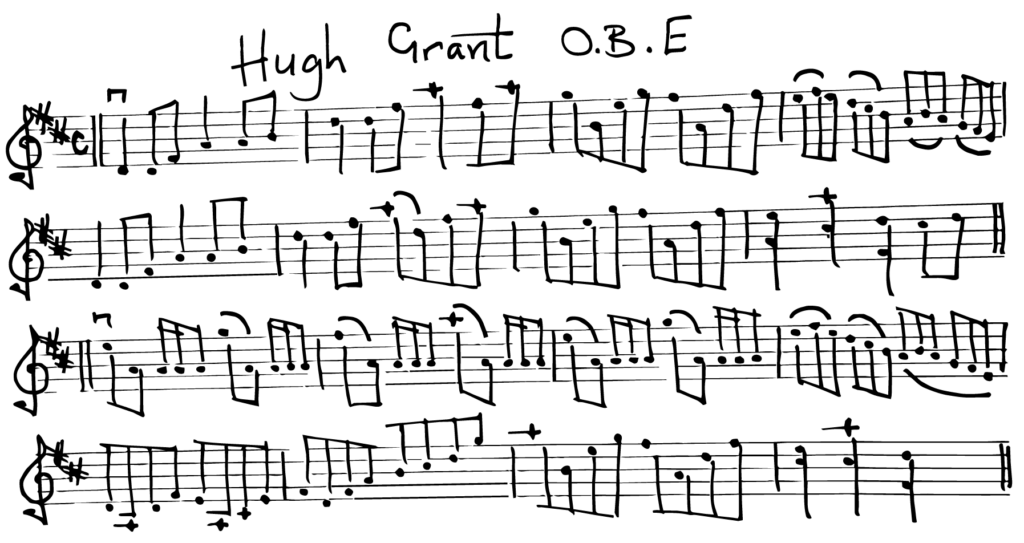
HUGH GRANT OBE
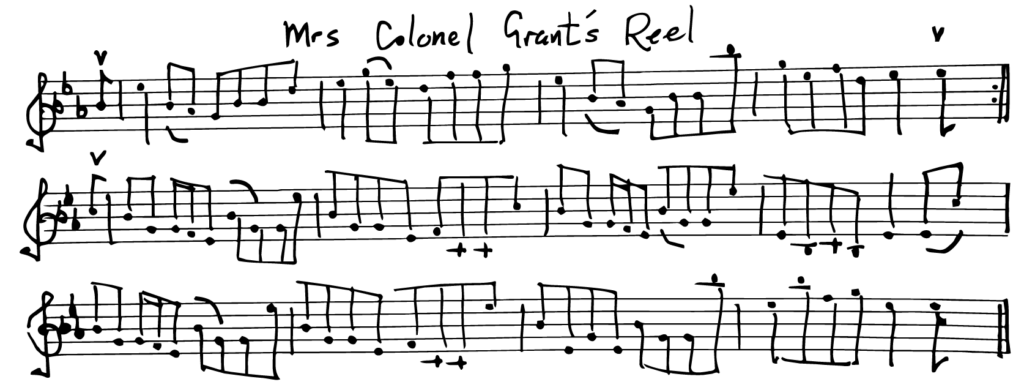
MRS COLONEL GRANT’S REEL
Donald Grant dedicated his first collection to Mrs Colonel Grant of Grant which was published in 1790.
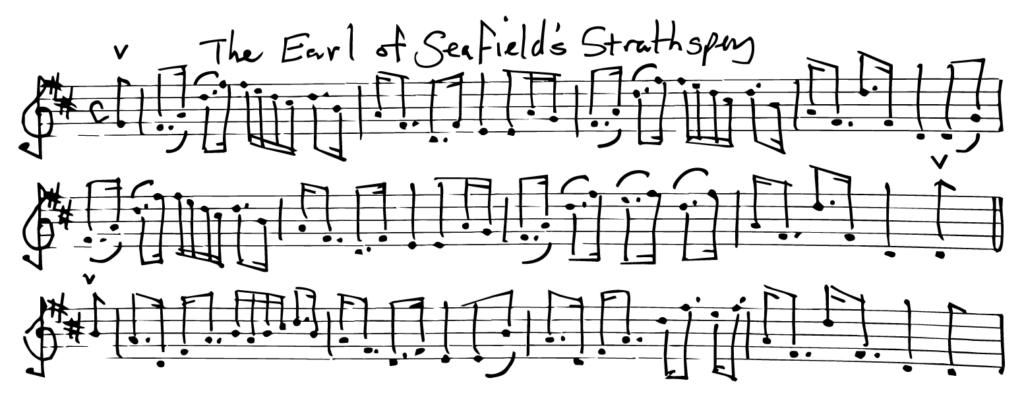
THE EARL OF SEAFIELD’S STRATHSPEY
At the time of the publication of Donald Grant’s collection in 1790, the Earl of Seafield and Findlater was James Ogilvy.
The Seafield Estate is found in Banffshire near Cullen with some of it stretching into the Cairngorms and Strathspey.
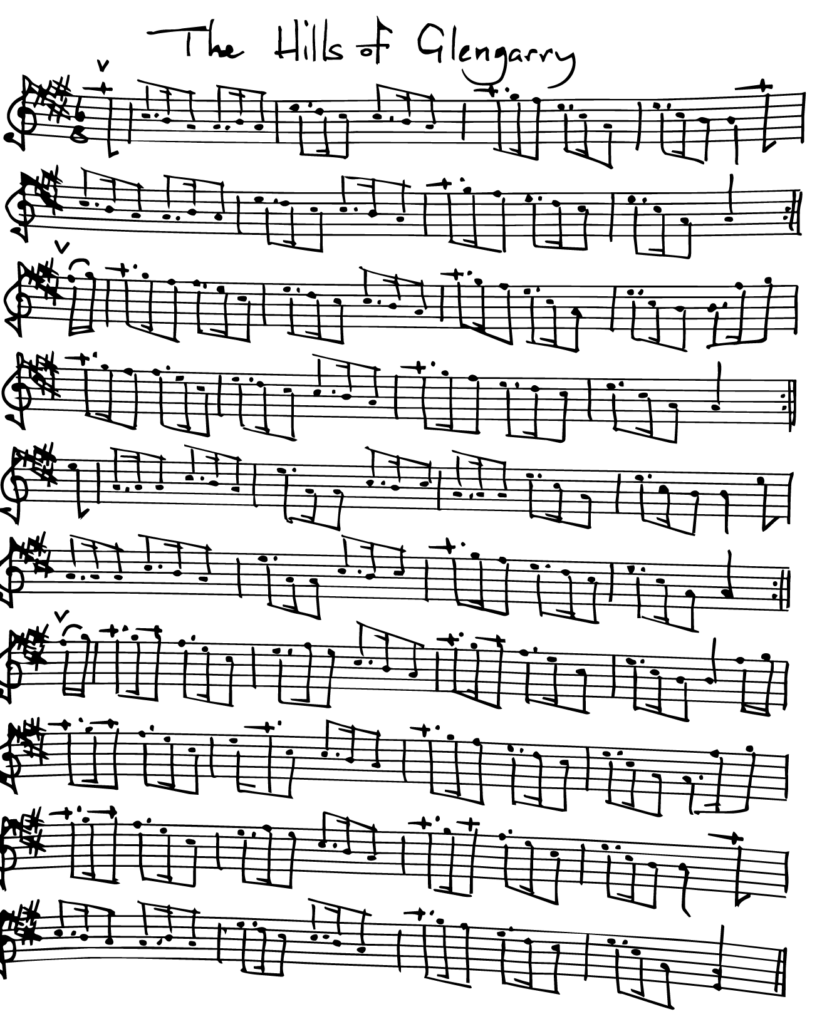
THE HILLS OF GLENGARRY
“Coming back from a dance in Kintail, I was getting pretty tried so I thought I’d stop at the top of the pass of Glengarry. I was looking at the hills all the way up to Glen Quoich. You could see way over to my great grandfather’s house at Loch Garry.”
Aonghas Grant.
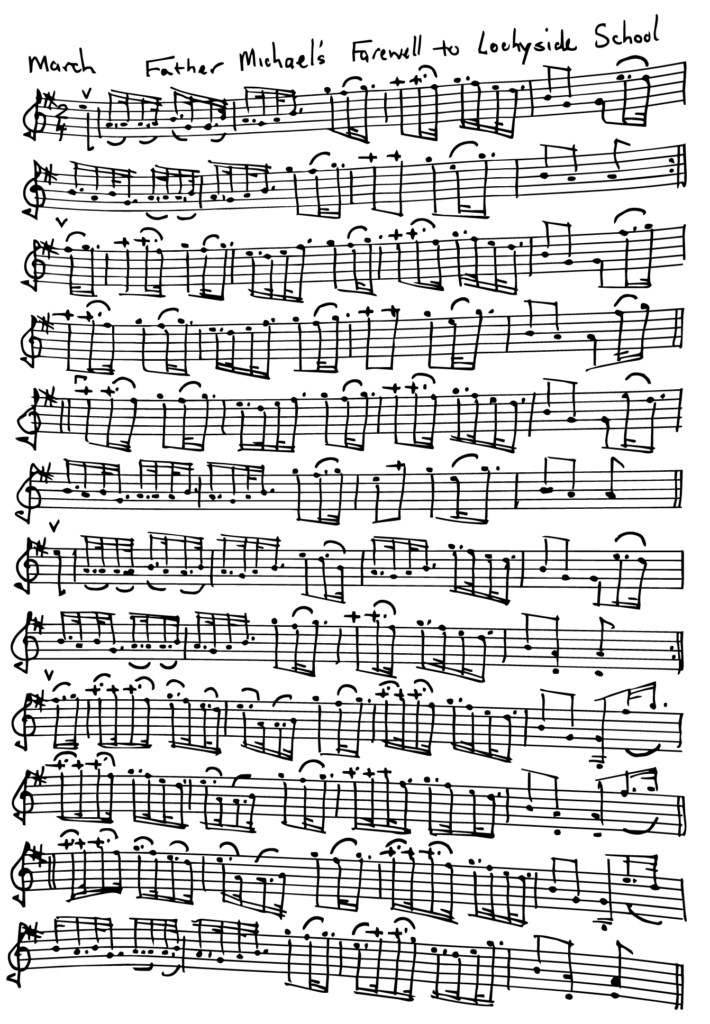
FATHER MICHAEL’S FAREWELL TO LOCHYSIDE SCHOOL
Father Michael MacDonald was Aonghas’ Parish Priest before moving to South Uist.
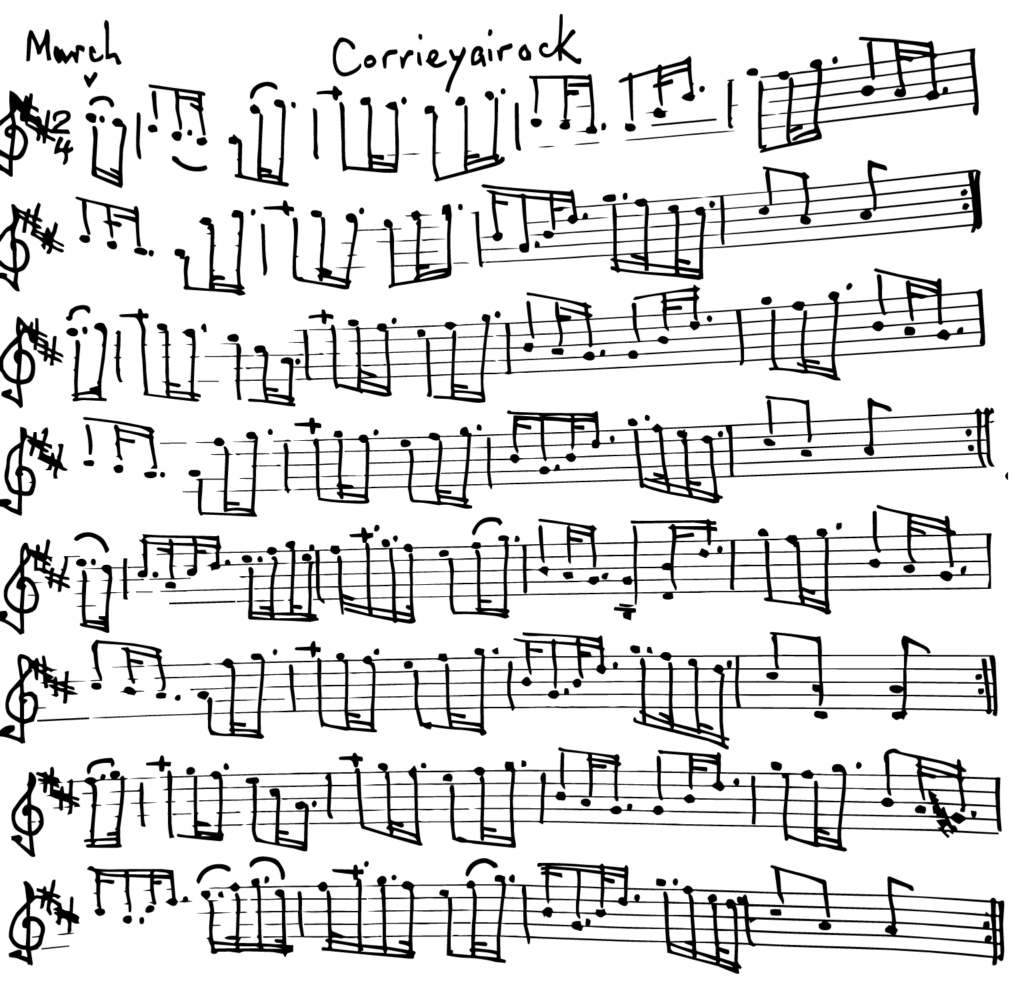
CORRIEYAIRACK
One of the first tunes Angus wrote in 1956. Corrieyairack is a high pass with a General Wade military road through it and which takes you from Fort Augustus to Ruthren Barracks in Strathspey.
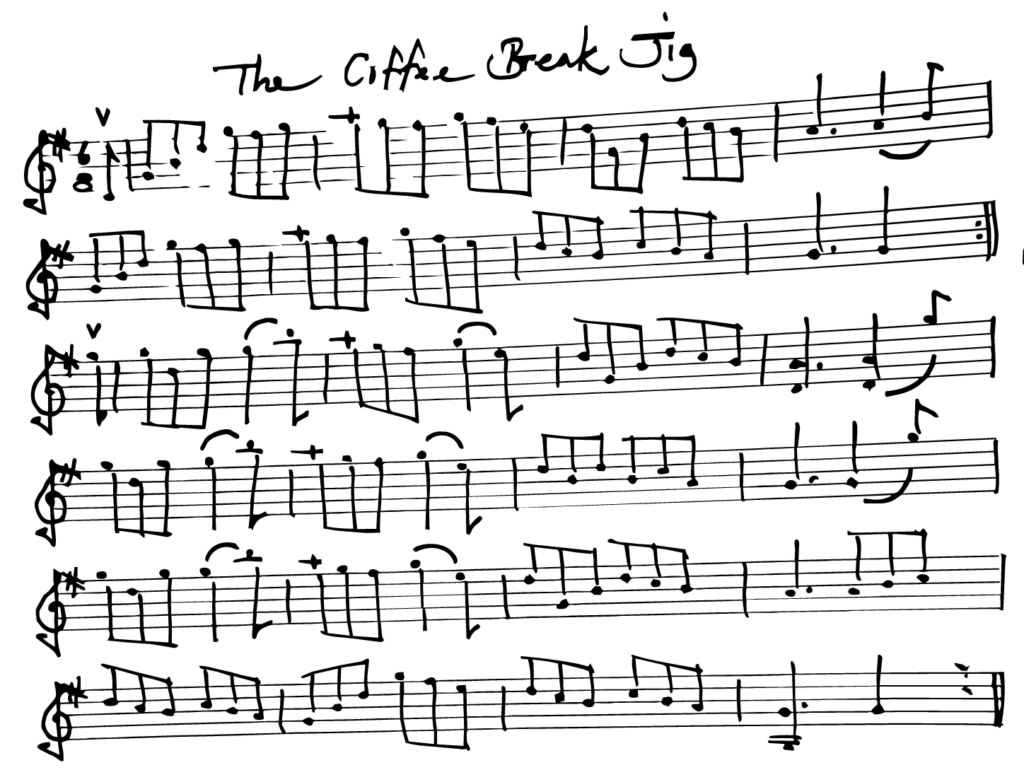
THE COFFEE BREAK JIG
“Stirling University, Easter 1985. At Stirling they used to have this powdered coffee and a boiler thing for hot water. They used the cheapest of cheap coffee there, it was absolute rubbish. The only way we could drink it was to put a wee shot of whisky in it. We used to keep a half bottle or two of whisky in the piano because we never used it.
One afternoon Robert Innes, the Director, appeared with a woman, apparently a famous pianist, who said she’d like to join us for a tune.
Two or three of the boys in the class rushed up to offer to shift the piano over, and while they were shifting it they managed to slip the bottles out. That was a good thing – the bottles would have jammed up the piano”.
Aonghas Grant.
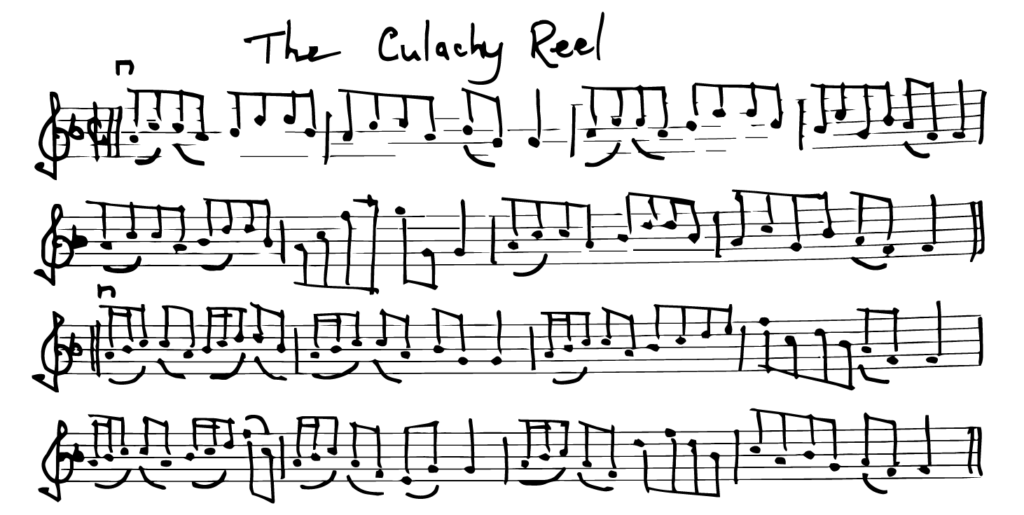
THE CULACHY REEL
“I spent a happy youth on Culachy Estate as a hill shepherd among the deer and sheepdogs, with rifle and gun. What more could a young man ask for?
Learned a lot about deer from John MacDonald.” Aonghas Grant
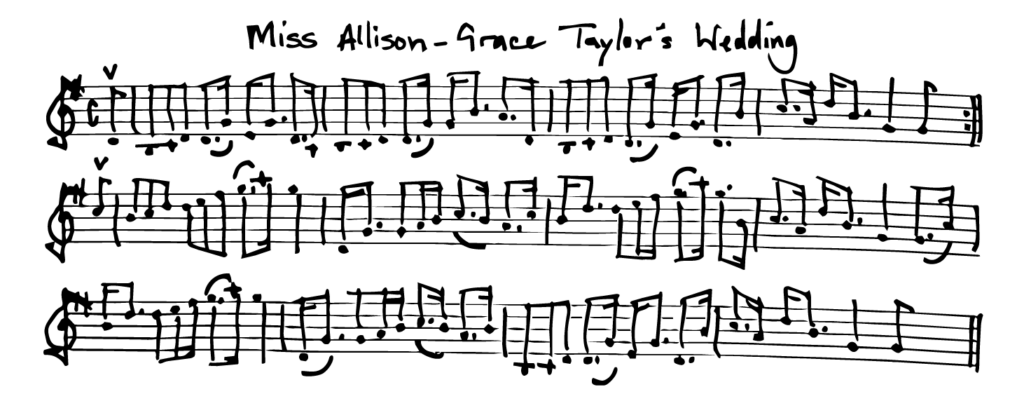
MISS ALISON-GRACE TAYLOR’S WEDDING
Allison-Grace is the daughter of Joe Taylor who was President of Kingussie Shinty Club. The wedding was held in the Duke of Gordon Hotel in Kingussie.
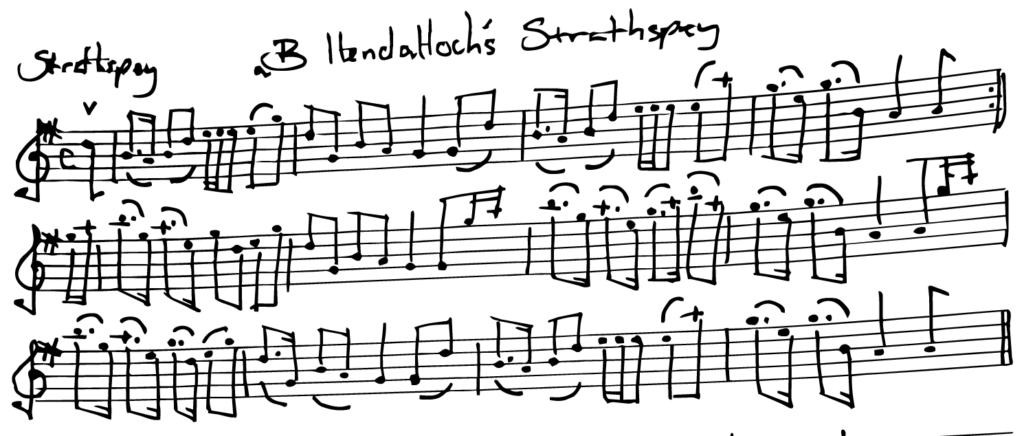
BALLINDALLOCH’S STRATHSPEY
Ballindalloch is a small village near where the River Avon meets the River Spey. The lands of Ballindalloch and Glencairnie were granted to John Grant of Freuchie by King James IV in 1499. The Whisky Distilleries of Cragganmore and Ballindalloch are near by.
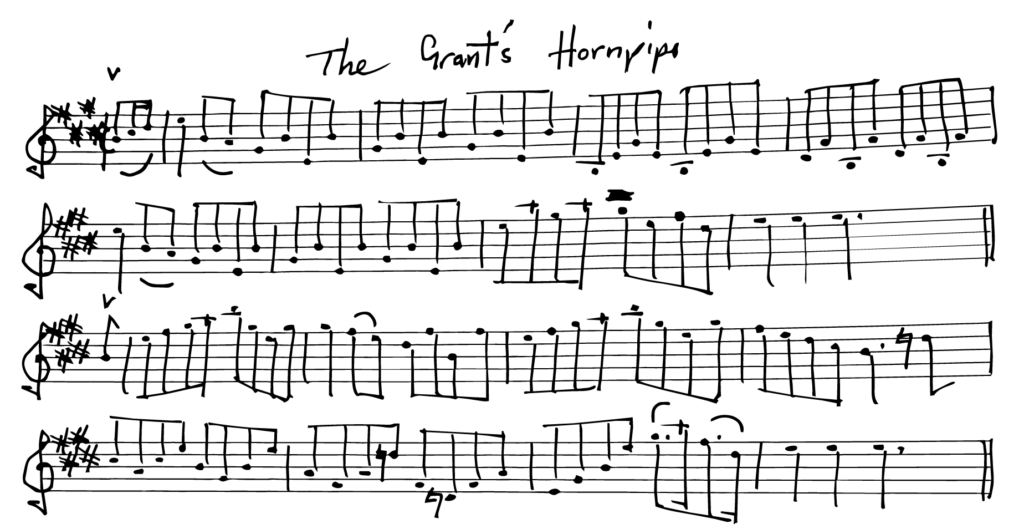
THE GRANT’S HORNPIPE
Charles Grant
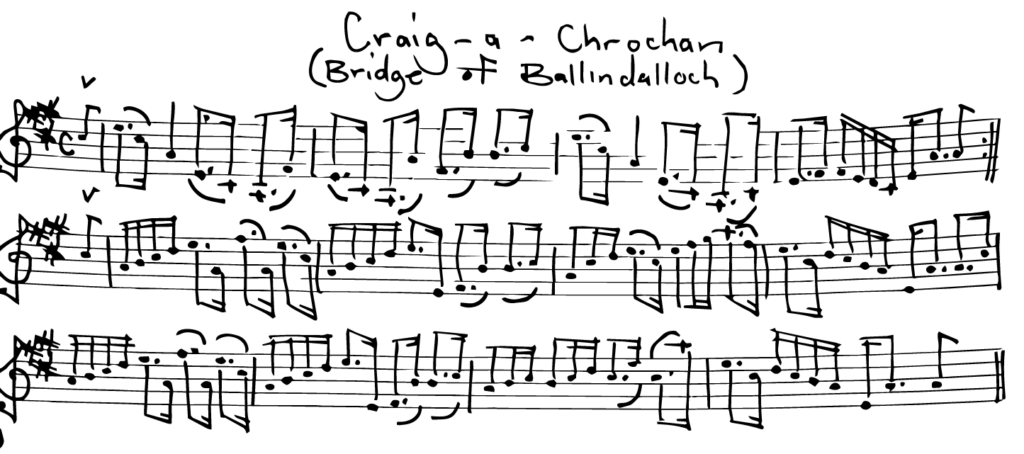
CRAIG-A-CHROCH AN (BALLINDALLOCH BRIDGE)
The Bridge over the River Avon at Ballindalloch was built between 1800 and 1801 by George Burn.
Although no longer open to vehicular traffic, having been bypassed in 1991, it can still be used by pedestrians.
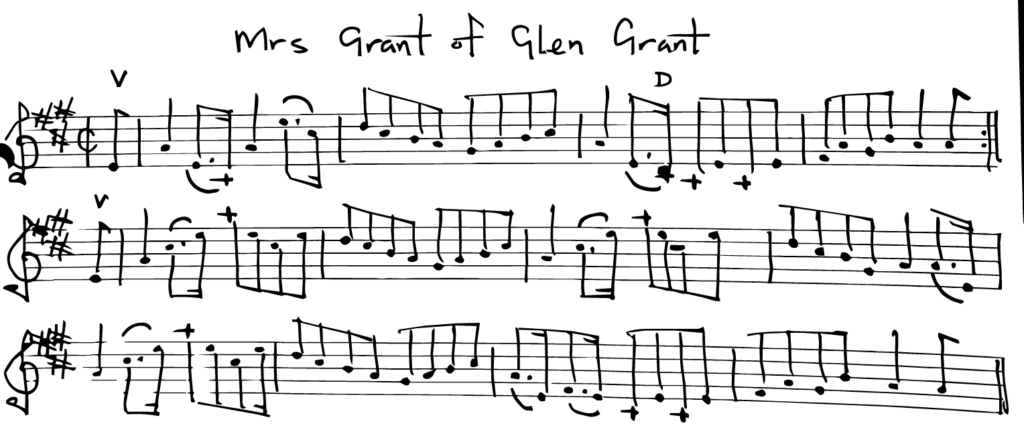
MRS GRANT OF GLEN GRANT
This piece may refer to the wife of Major James Grant who founded the Glen Grant Distiller in Rothes in 1840.
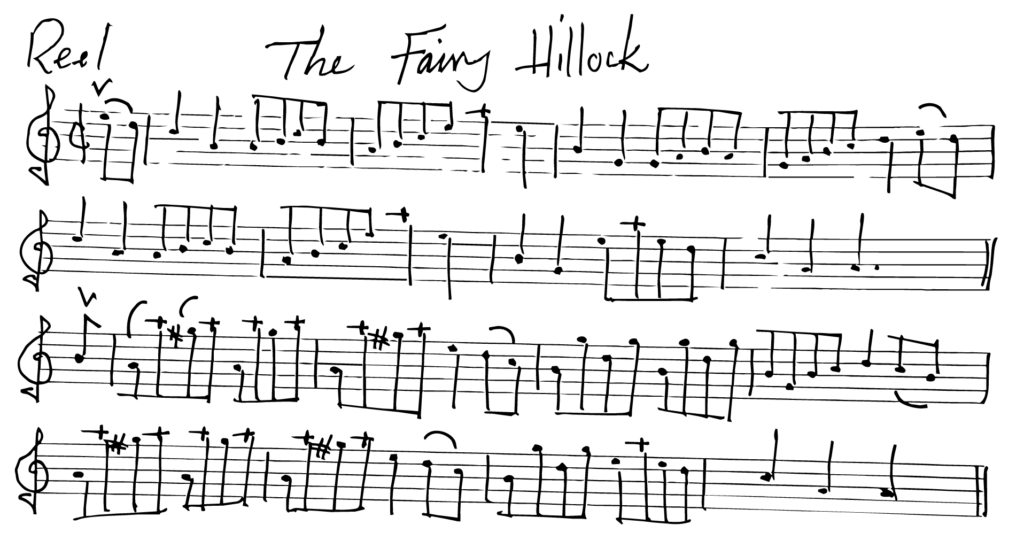
THE FAIRY HILLOCK
The belief in Fairy Folk was once widespread across Scotland, especially in the Highlands. Natural mounds and ancient burial cairns were often believed to be the dwelling or meeting place of fairies and were often avoided.
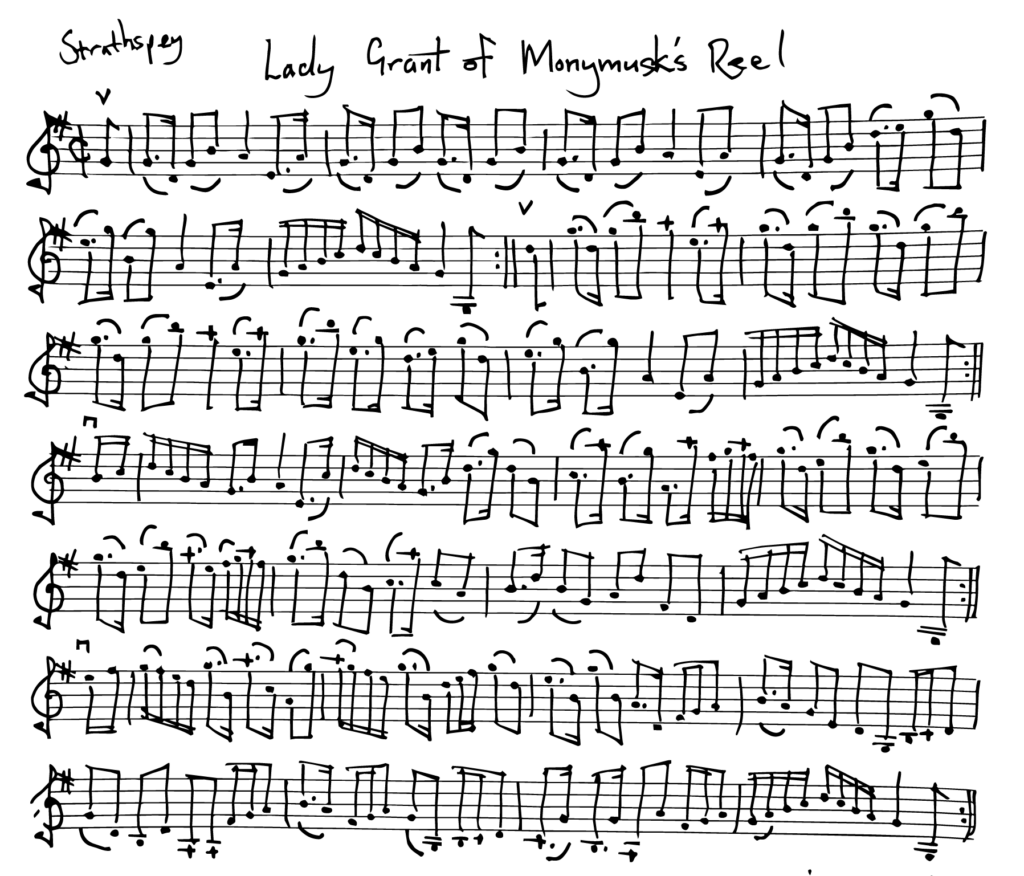
LADY GRANT OF MONYMUSK’S REEL
Angus Cumming Collection
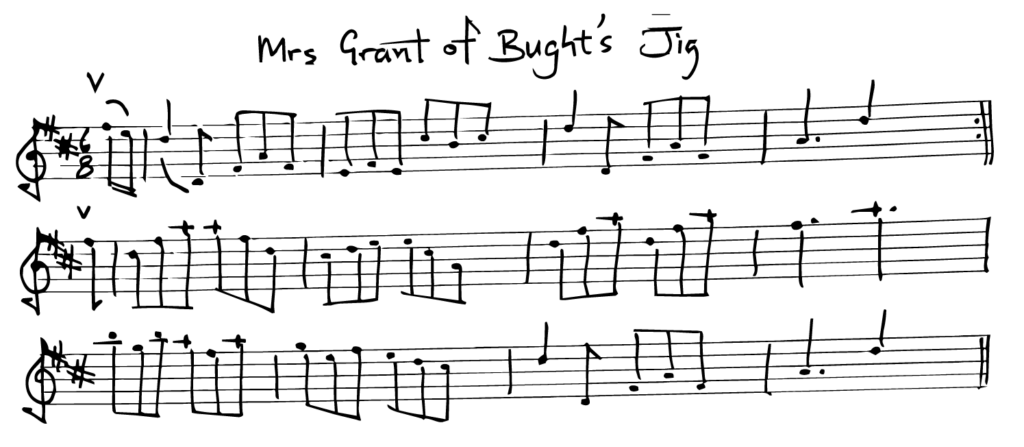
MRS GRANT OF BUGHT’S JIG
Bught is part of the modern City of Inverness and is situated between the River Ness and the Caledonian Canal. Bught is a Scots word for a sheep enclosure.
BANKS OF SPEY
Very old. Angus Grant Collection
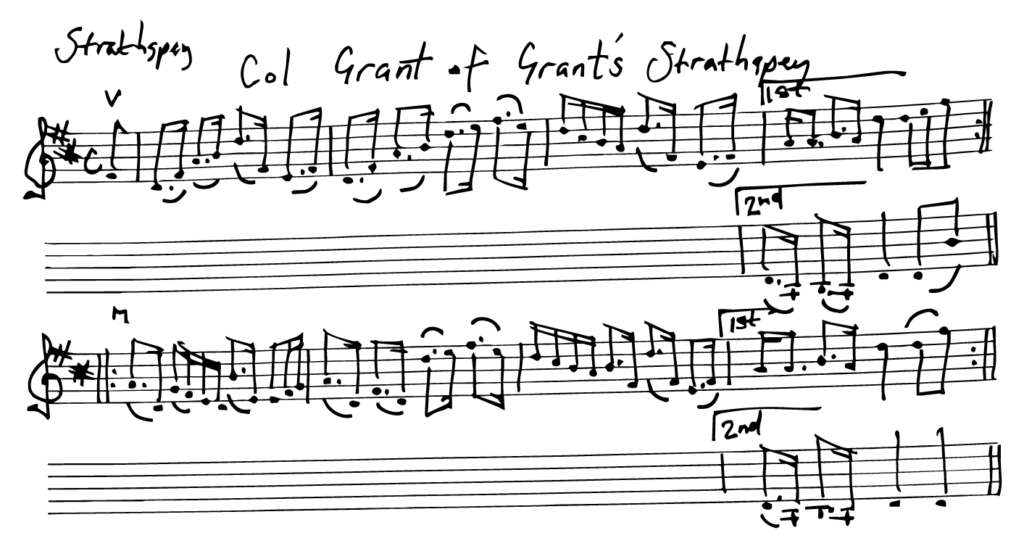
COL GRANT OF GRANT’S STRATHSPEY
Composed for Colonel Francis William Grant of Grant (1778-1853) who was the 25th Chief of Clan Grant. He was appointed a full Colonel of the British Army in 1809, was Lord Lt of Inverness and served in the House of Commons, represented Elgin, Inverness, Elginshire and Nairnshire at various times. He sat in the House of Lords between 1840 and 1853.
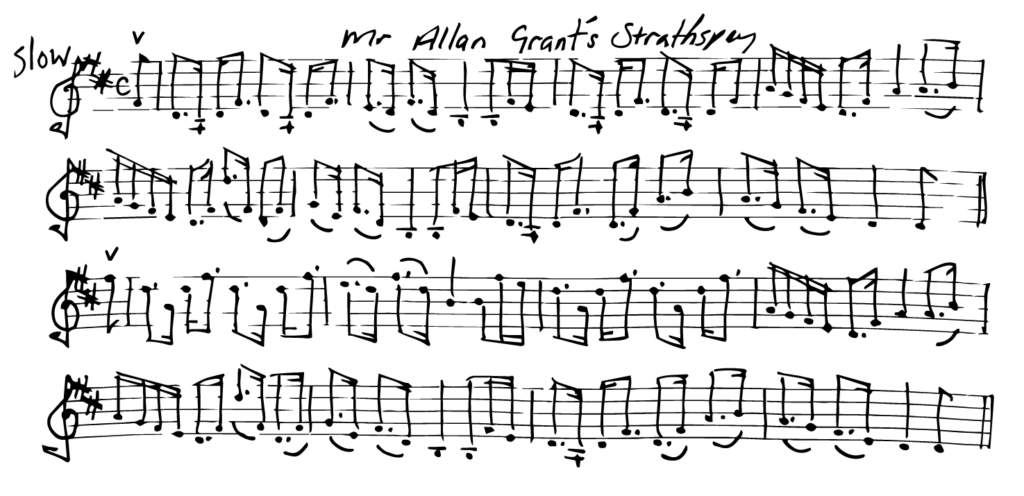
MR ALLAN GRANT’S STRATHSPEY
Donald Grant
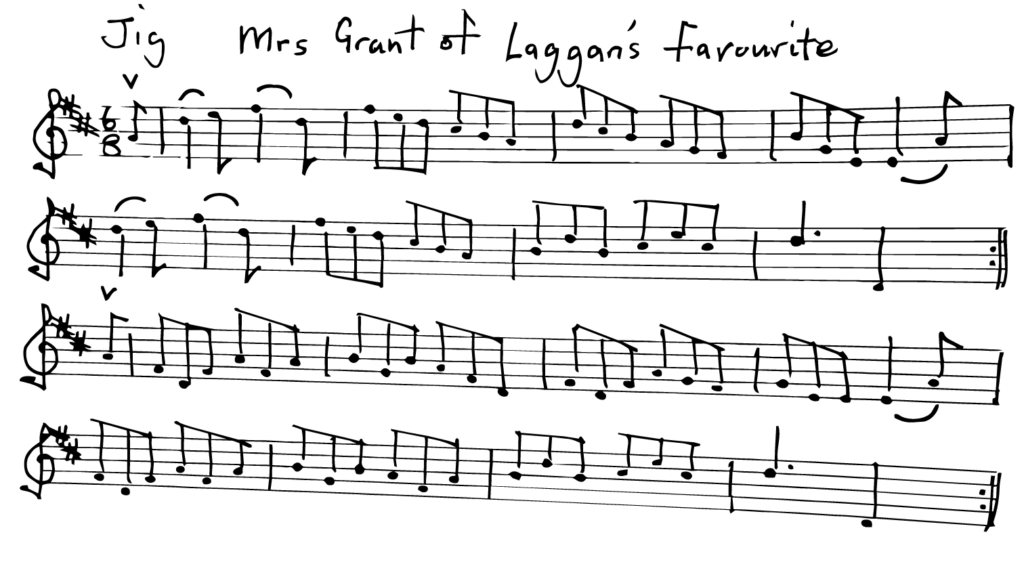
MRS GRANT OF LAGGAN’S FAVOURITE
This piece could possibly be composed for Anne Grant, wife of James Grant who was Minister at the Parish of Laggan. Anne Grant (nee MacVicar) was a prolific poet, correspondent and writer of memoirs. Her success as a poet secured her place within Edinburgh’s cultural elite.
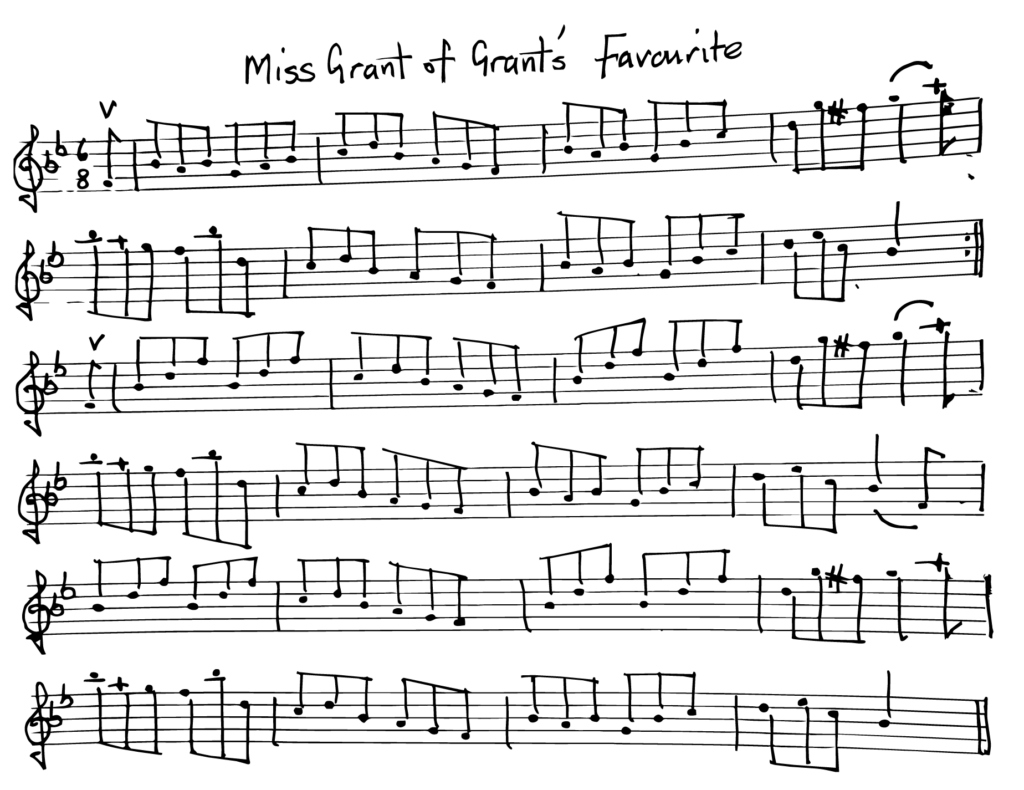
MISS GRANT OF GRANT’S FAVOURITE
Donald Grant
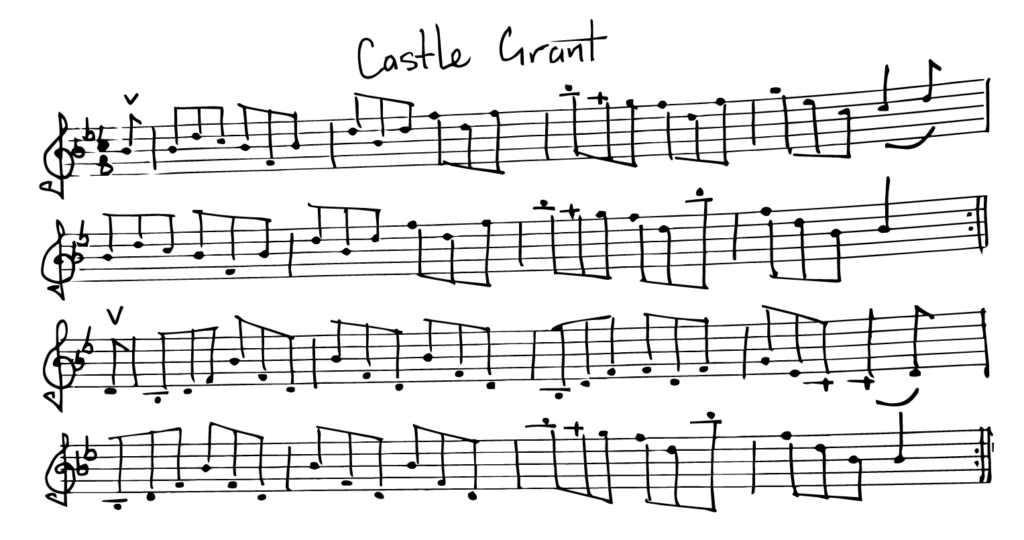
CASTLE GRANT
Stronghold of Clan Grant, Castle Grant is the ancestral seat of Clan Grant which was founded in the 15th century. Originally called Freuchie Castle, it was re-named in 1694. It was originally belonged to Clan Comyn before being acquired by the Grant’s.
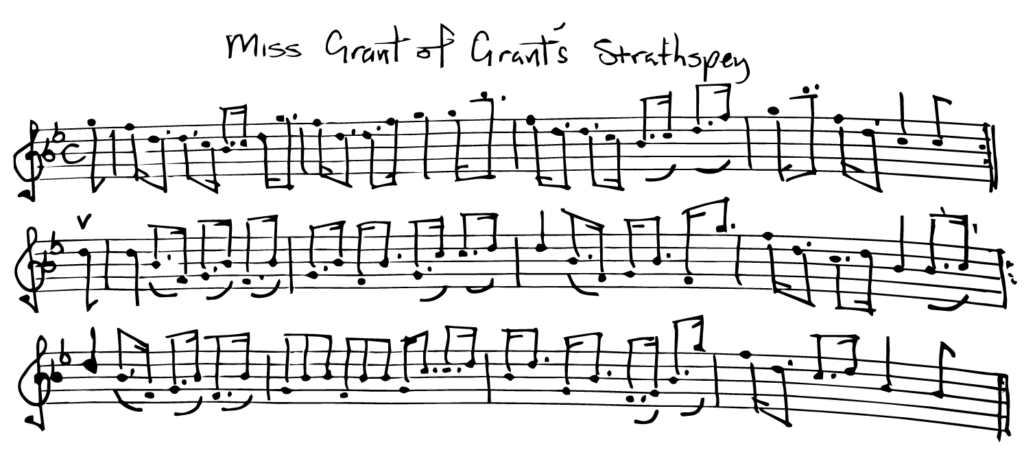
MISS GRANT OF GRANT’S STRATHSPEY
Donald Grant